2026 · New Publication
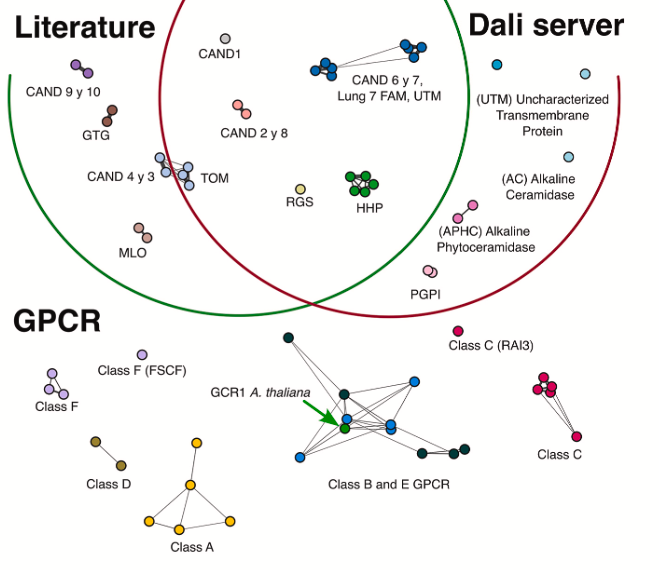
Canonical G-protein coupled receptors of vascular plants
Landmark paper in Plant Physiology and Biochemistry — identify GCR1 as the sole canonical GPCR in vascular plants.
Read paper →We study how cells sense and respond to their environment at the molecular level — from temperature to pain, from membrane channels to organellar signaling.
Our work bridges electrophysiology, biophysics, and cutting-edge imaging to understand the activation and modulation of molecular sensors, the evolution of ion transport proteins, and the role of intracellular ion channels in cellular physiology.
"Science powered by curiosity — understanding how molecular sensors detect environmental signals and how cells encode their context."
— BrauchiLab · Valdivia, Chile —
Landmark paper in Plant Physiology and Biochemistry — identify GCR1 as the sole canonical GPCR in vascular plants.
Read paper →
Published in Computational and Structural Biotechnology Journal, this study uses structural bioinformatics to place GPR89 in a conserved protein superfamily.
Read paper →
Published in The Journal of Physiology — reveals lysosomal membrane conductance components using novel optical approaches in living cells.
Read paper →Our work spans molecular biophysics, electrophysiology, evolutionary biology, and advanced imaging — united by a fascination with how bioelectrical signals work in coordination.
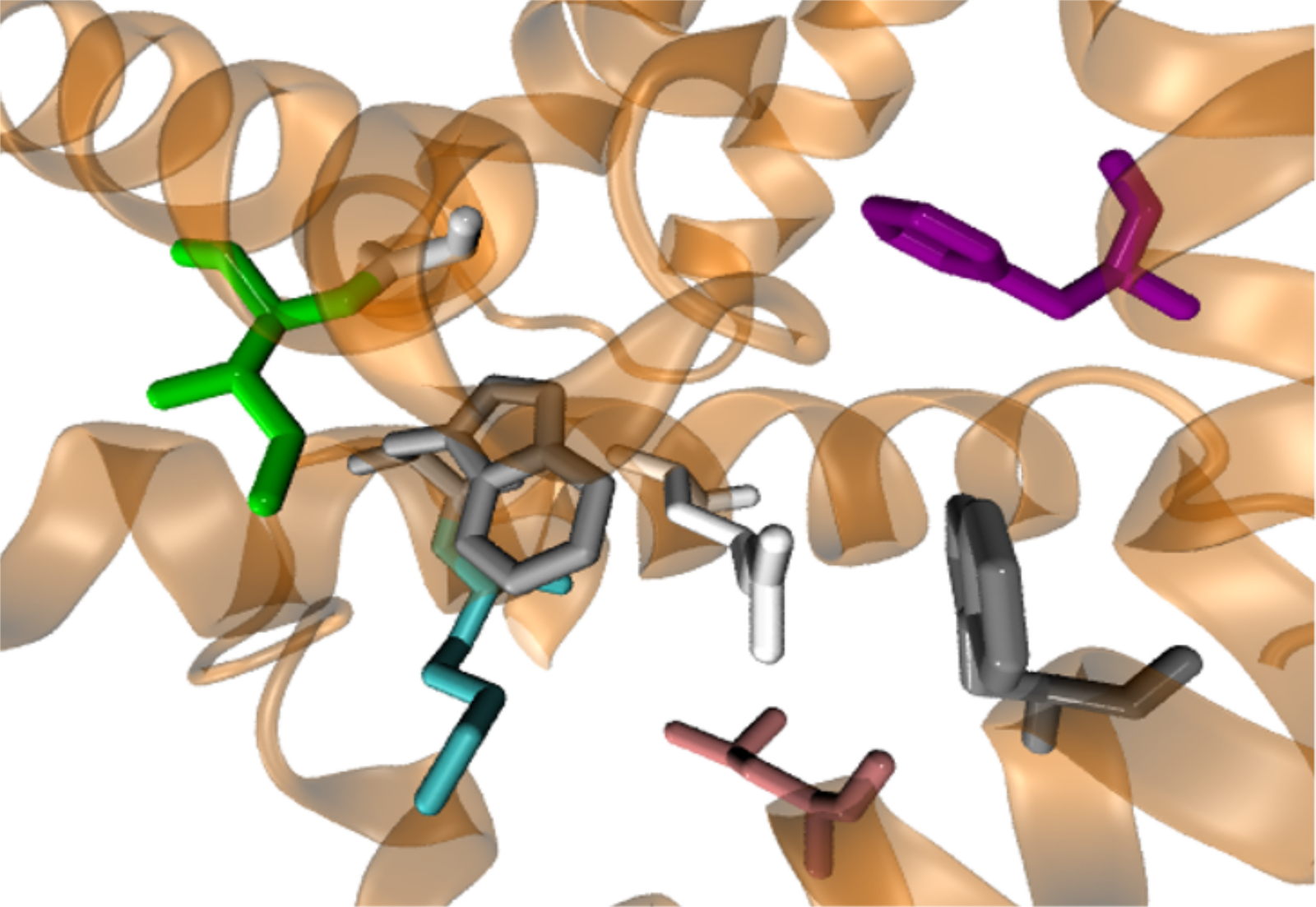
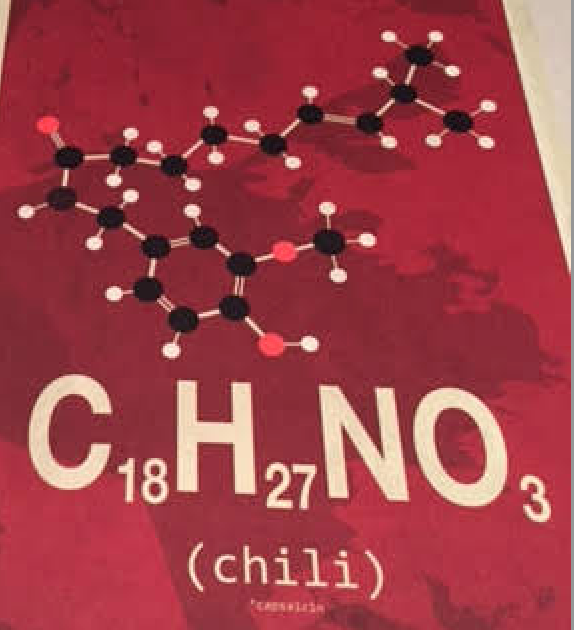
We advanced TRP channel biophysics from our original reports on their allosteric nature, to the description of pore–ligand coupling and an evolutionarily conserved family signature by using a unique blend of electrophysiology, single-molecule imaging, mutagenesis, fluorescent amino acids, and bioinformatics.
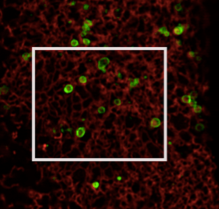
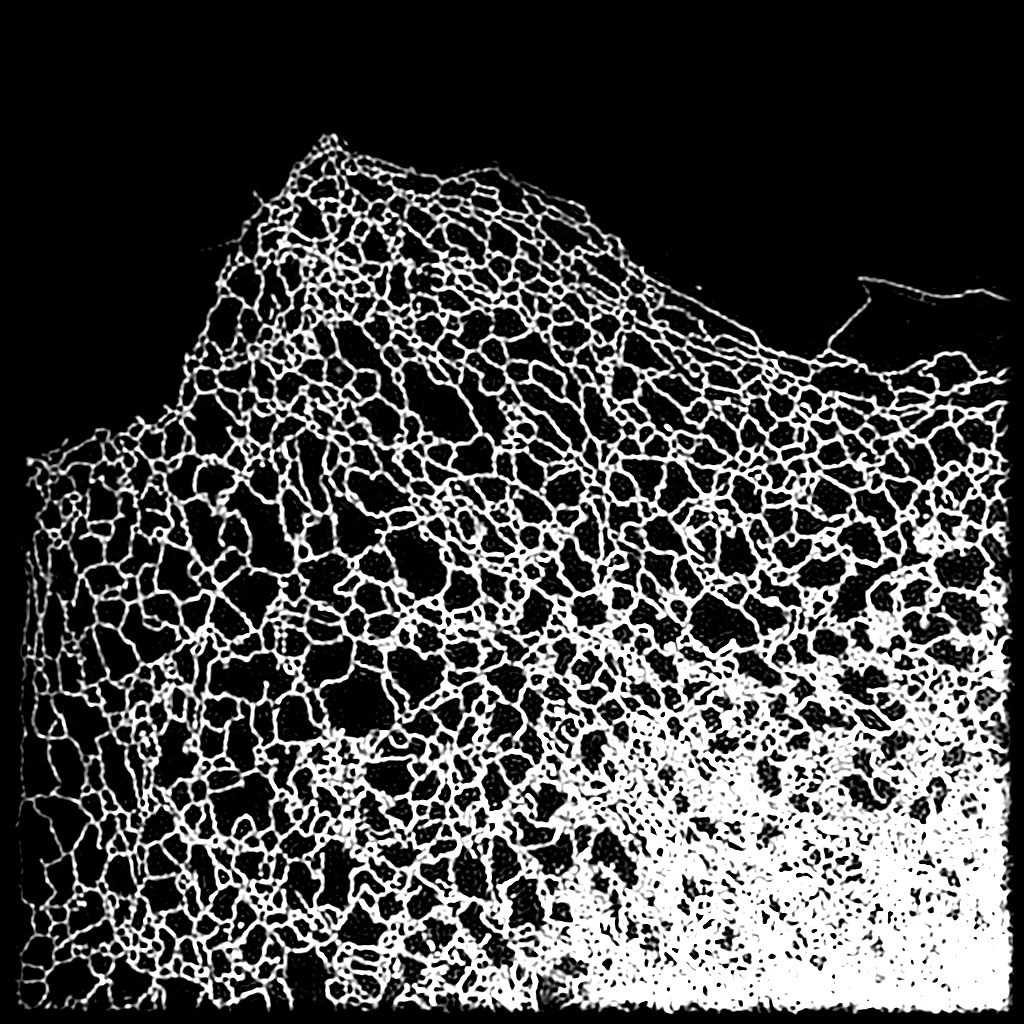
Beyond the plasma membrane — we explore ion channels in lysosomes, the ER, and other organelles. We develop optical sensors to image organellar membrane potentials in living cells in real time in an attempt to unveil basic principles of organellar functional entanglement
We are interested in the evolution of membrane proteins across the tree of life, from unicellular eukaryotes to mammals. We have been keen in exploring the role of bioelectrical signals in mammalian cells, unicellular eukaryotes, plant root hairs, and cold-resistant insects.
Committed to open science, our laboratory develops and freely shares tools, protocols, and code. Our contributions include orthogonal enzymes, probes for local H⁺ exiting cells, imaging protocols for single-molecule approaches and organellar voltage, as well as analysis code and laboratory equipment blueprints—all available on GitHub.
We are always looking for highly motivated PhD students and postdoctoral researchers excited about cellular biophysics, ion channels, and cutting-edge imaging techniques. Curiosity is the only prerequisite.
Our research is made possible by the generous support of national and international funding agencies and institutions.



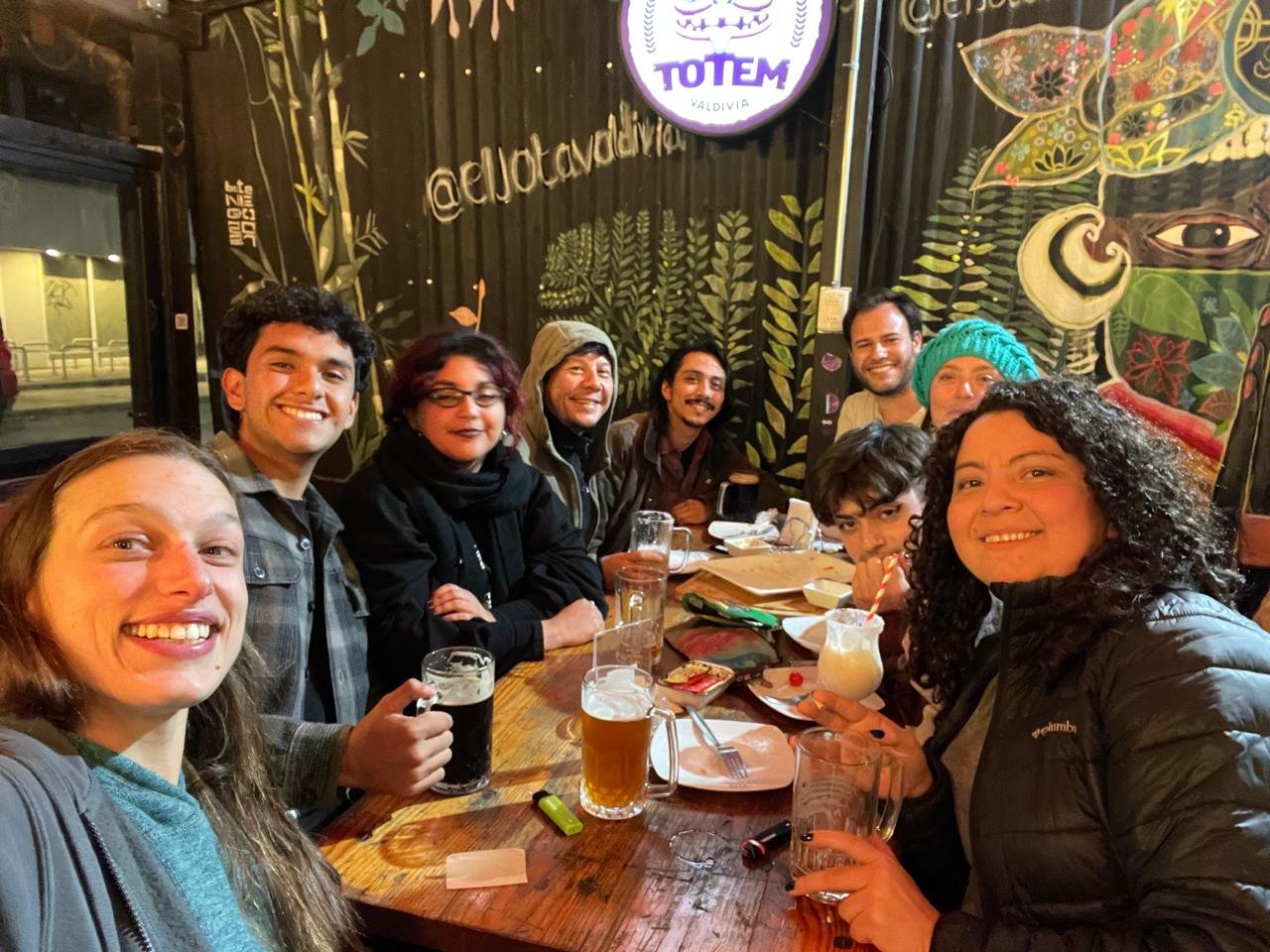
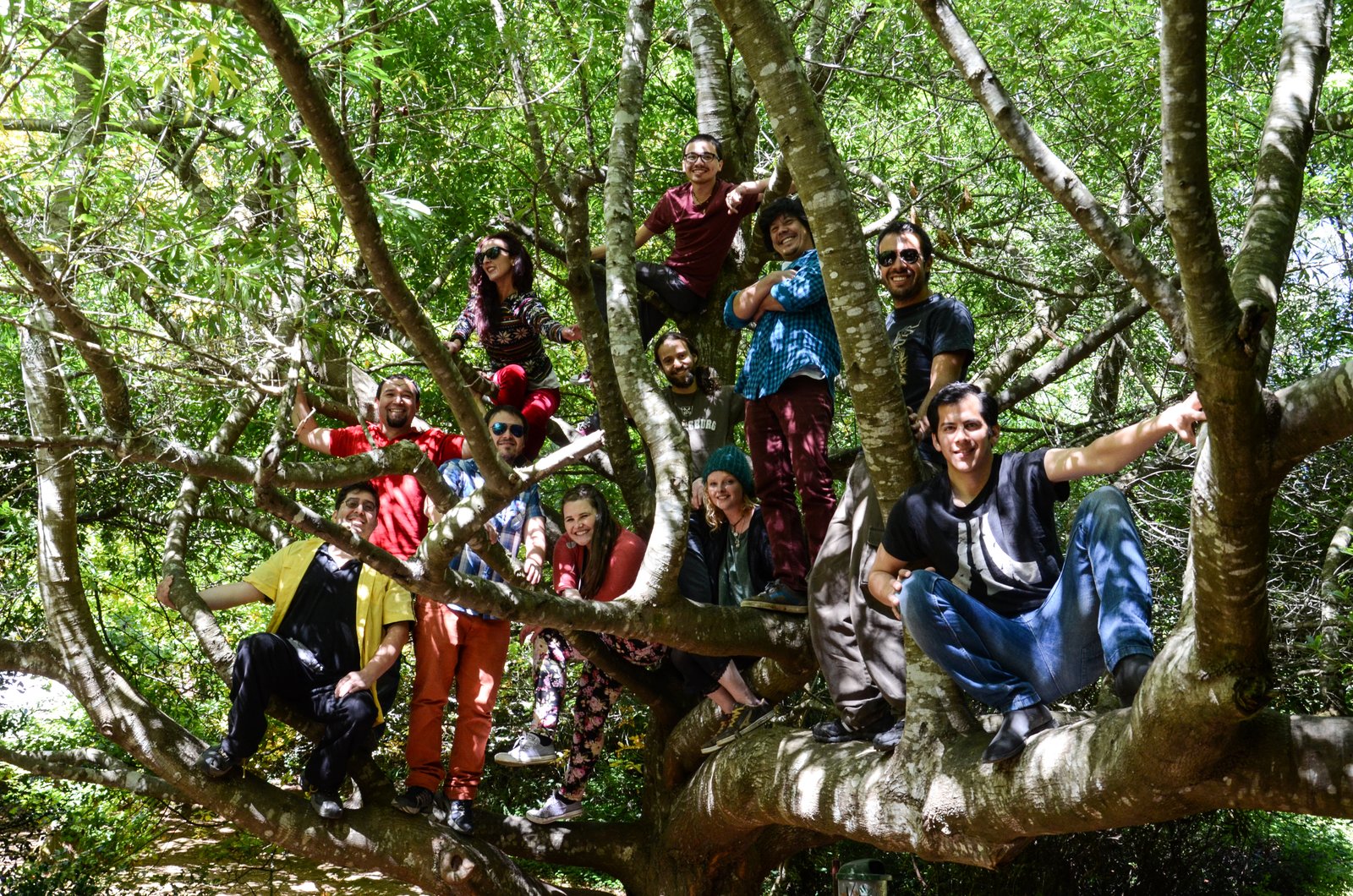
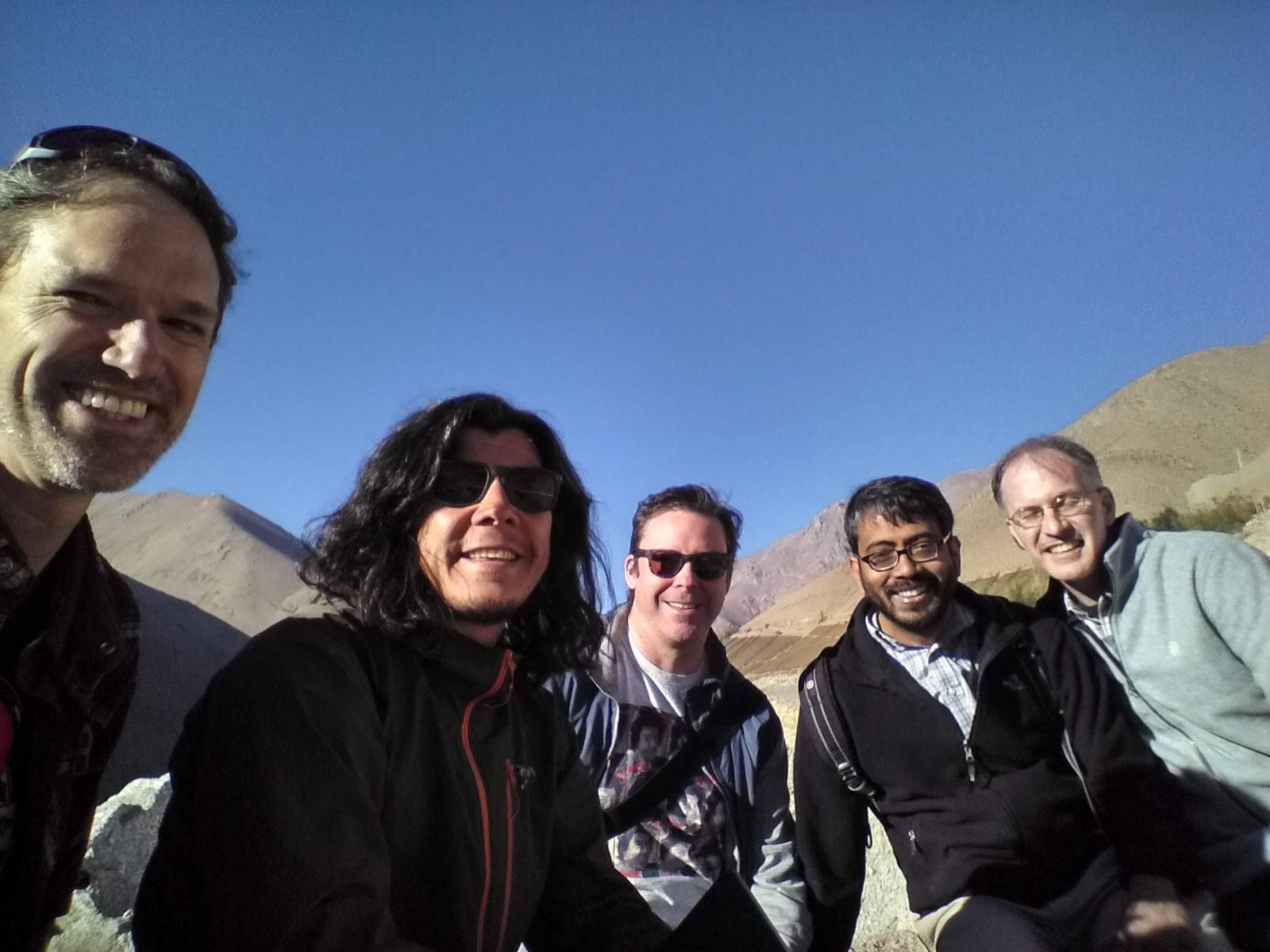
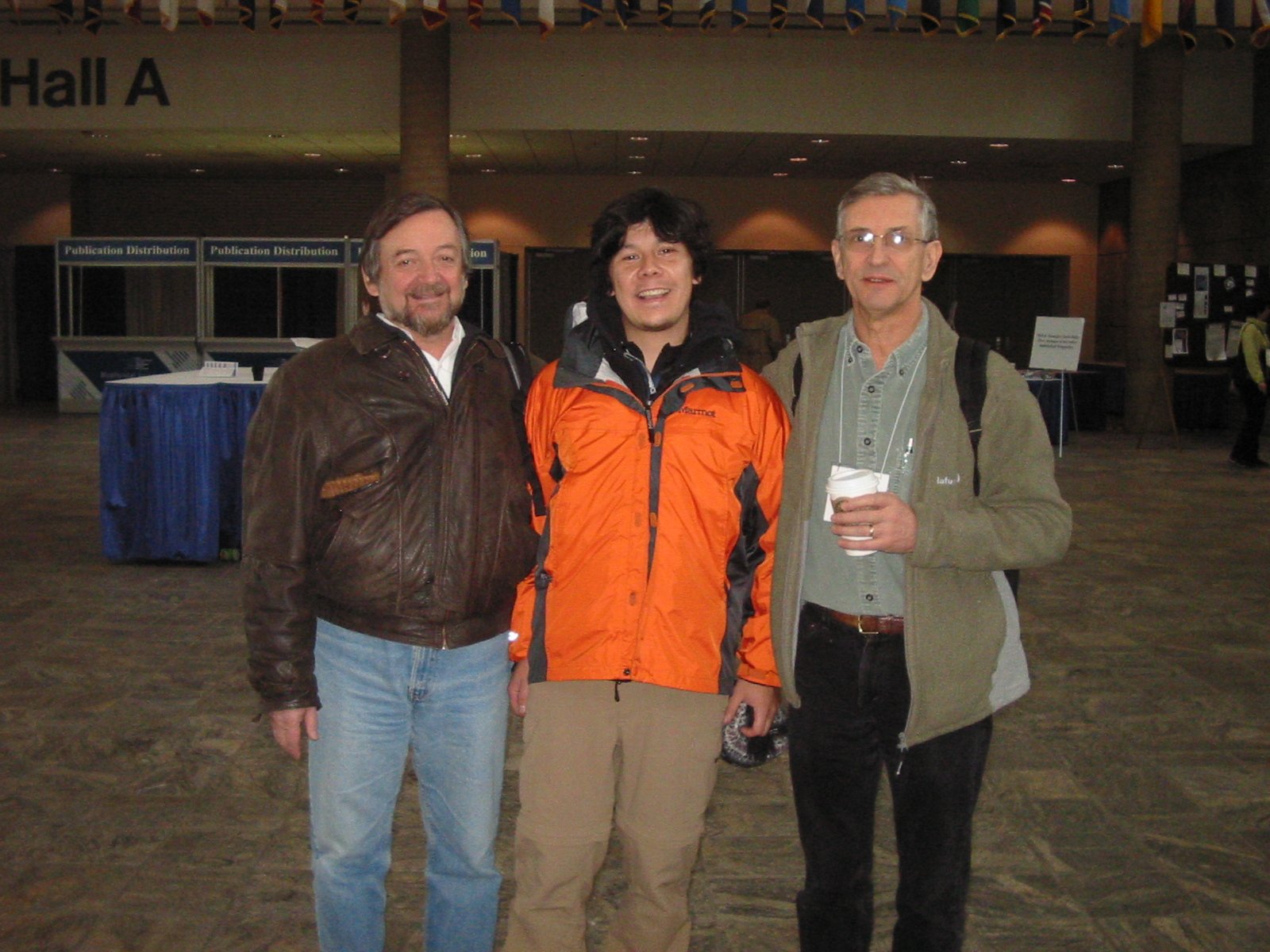
BrauchiLab brings together researchers from diverse backgrounds united by curiosity about how cells work at the molecular level.
Almost two decades of curiosity-driven science.
A Fantastic Trip
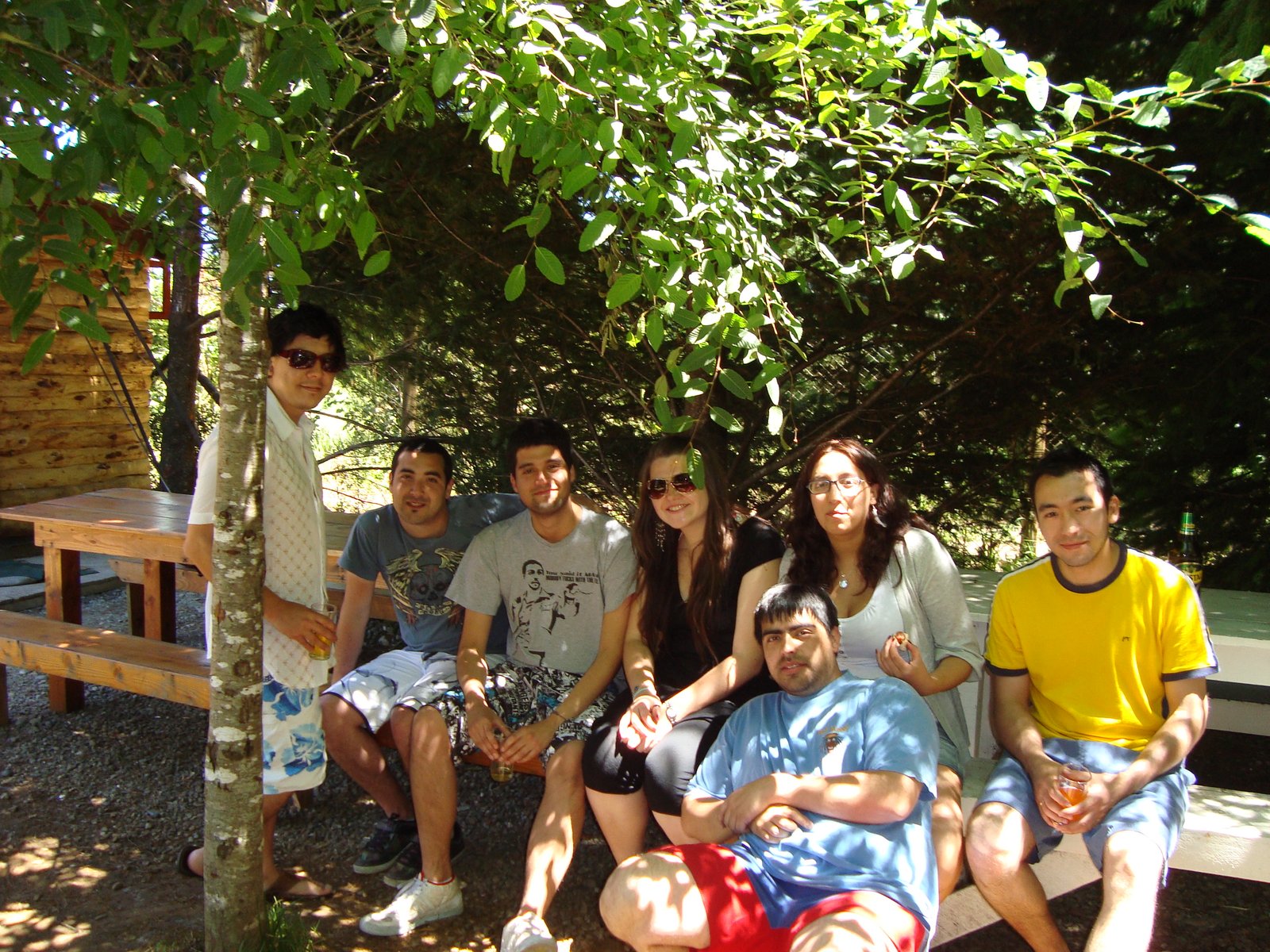
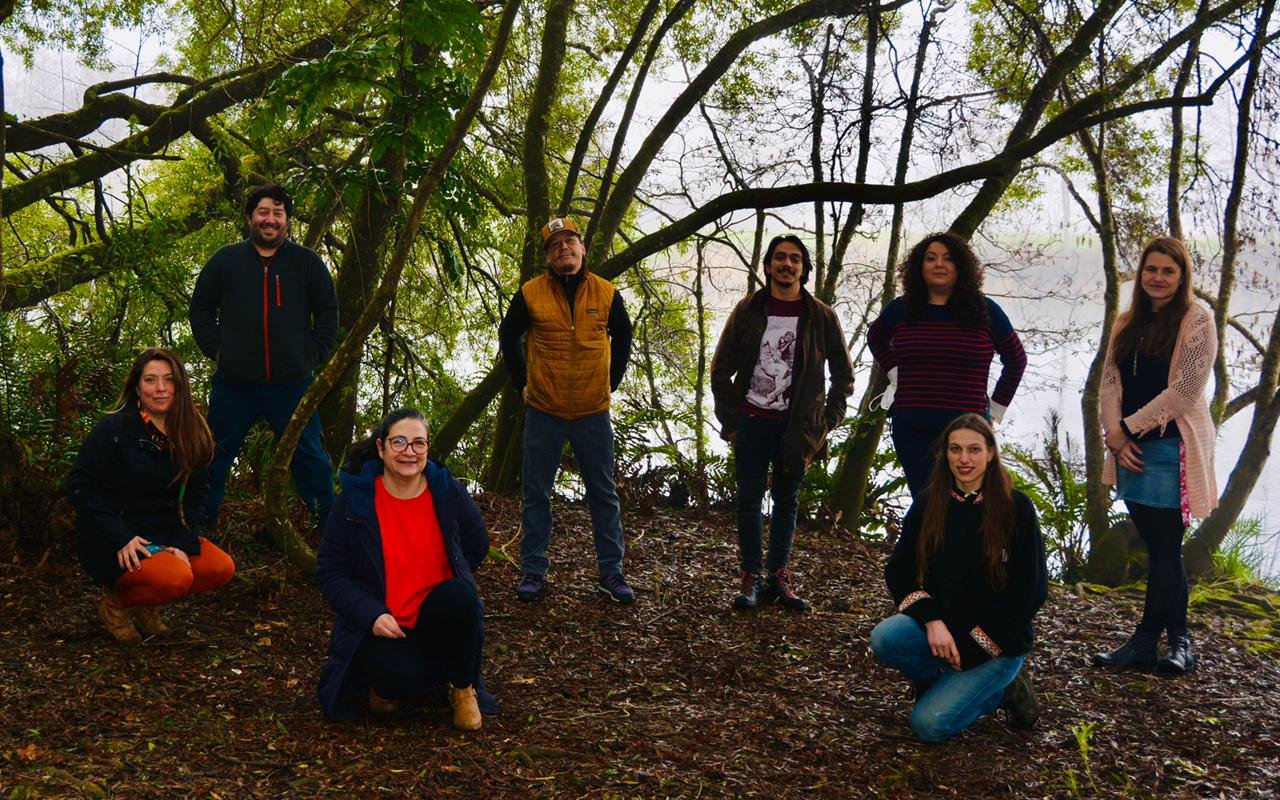
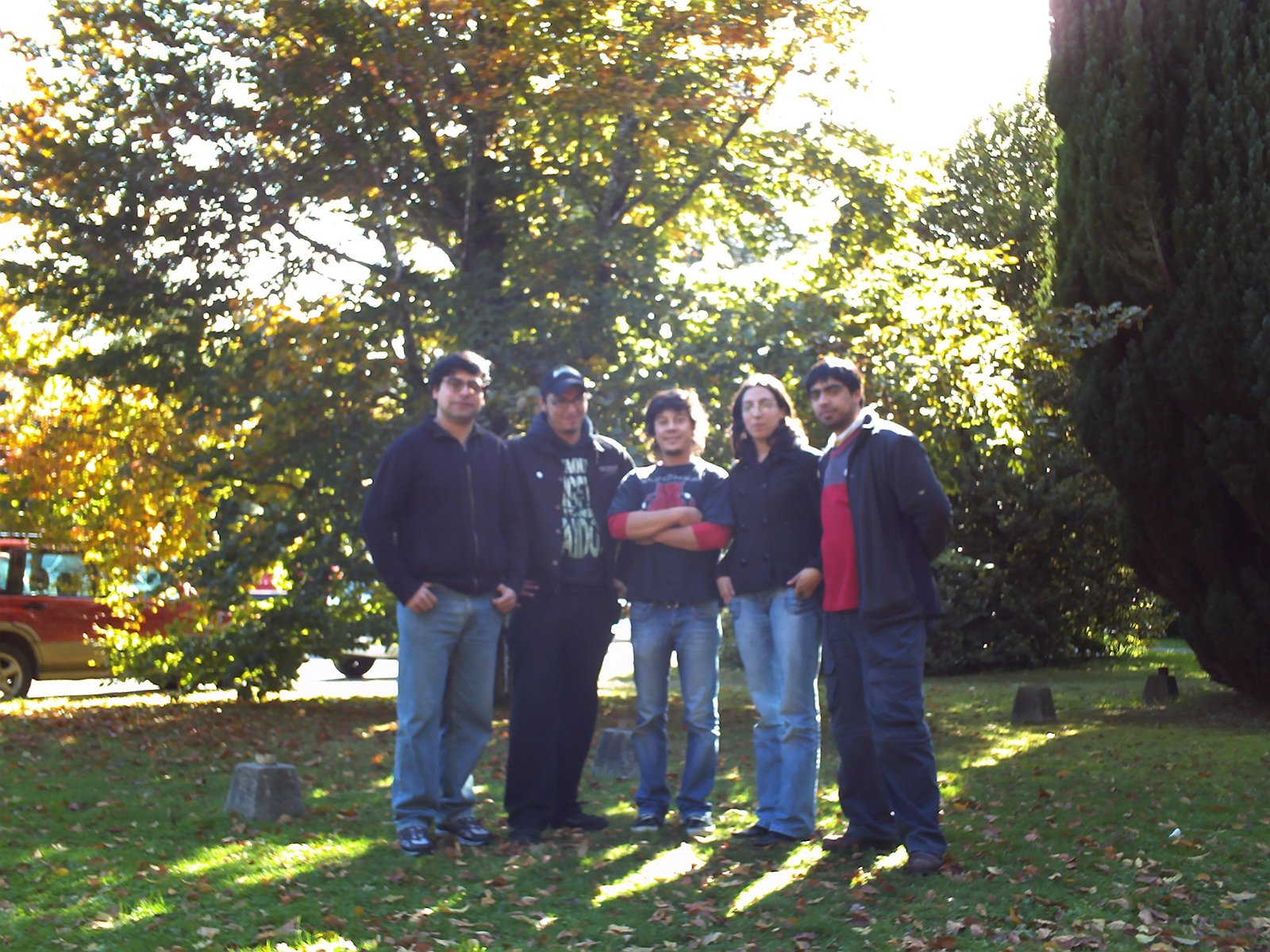
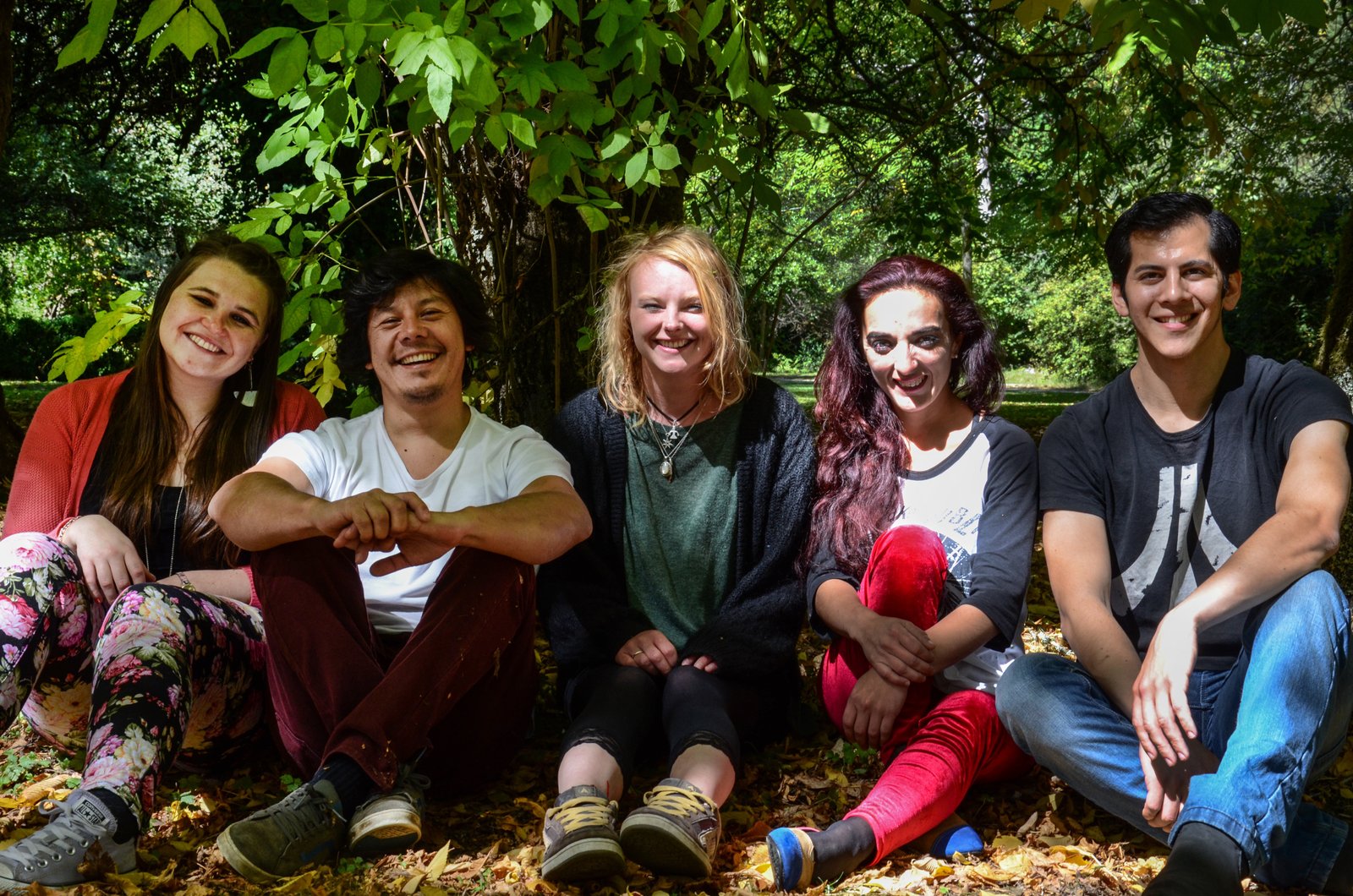
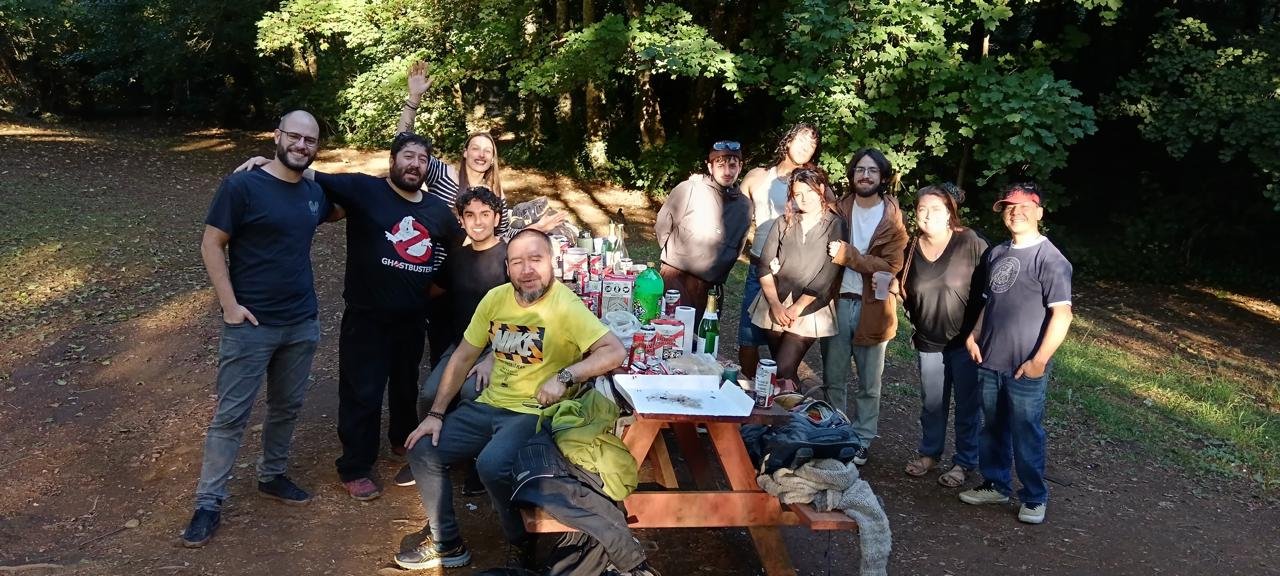
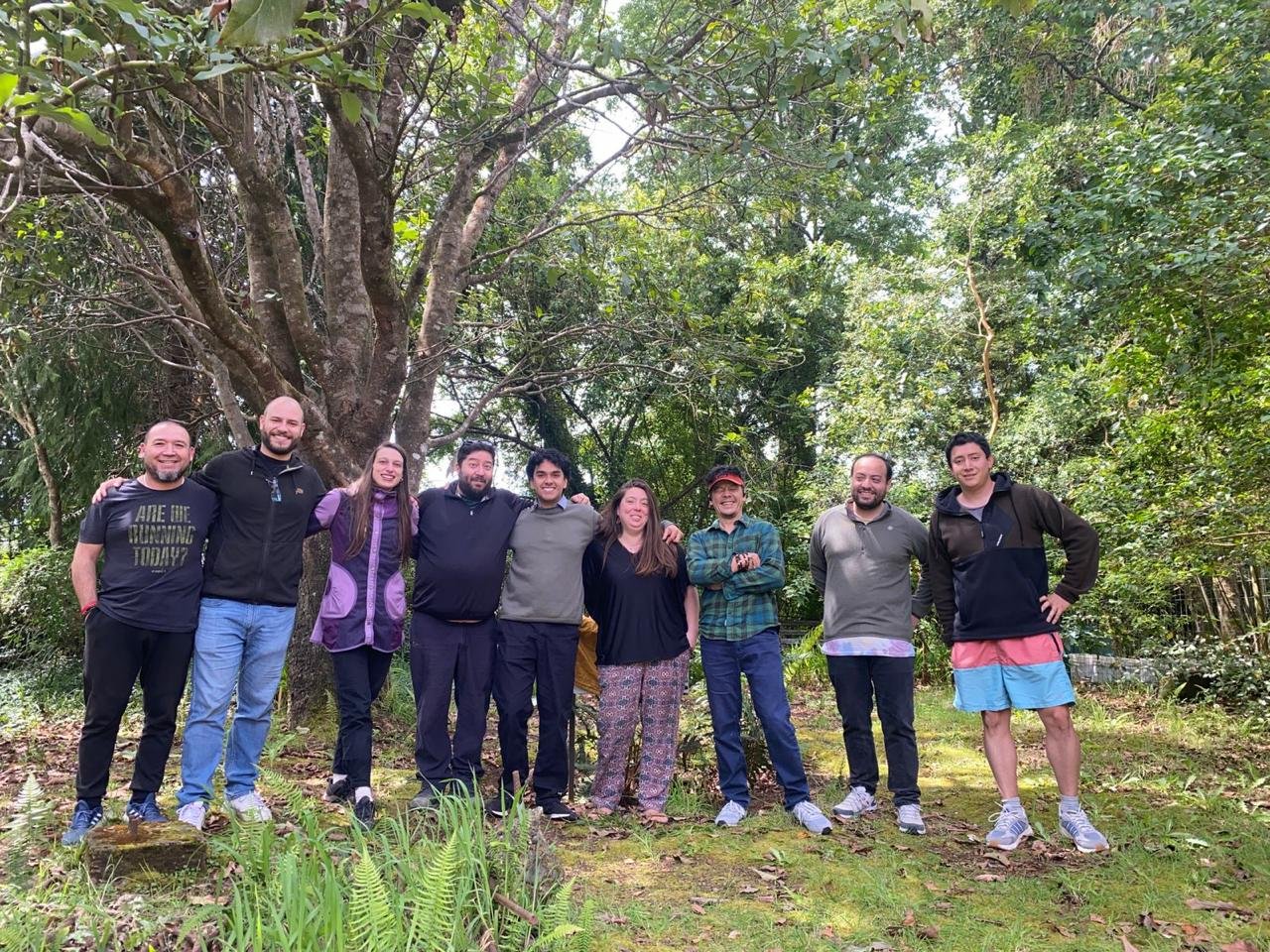
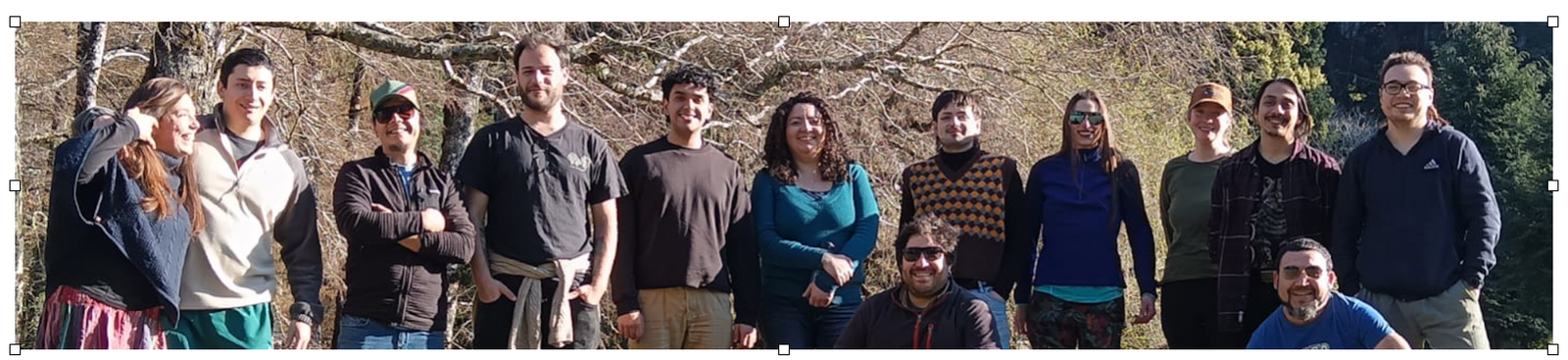
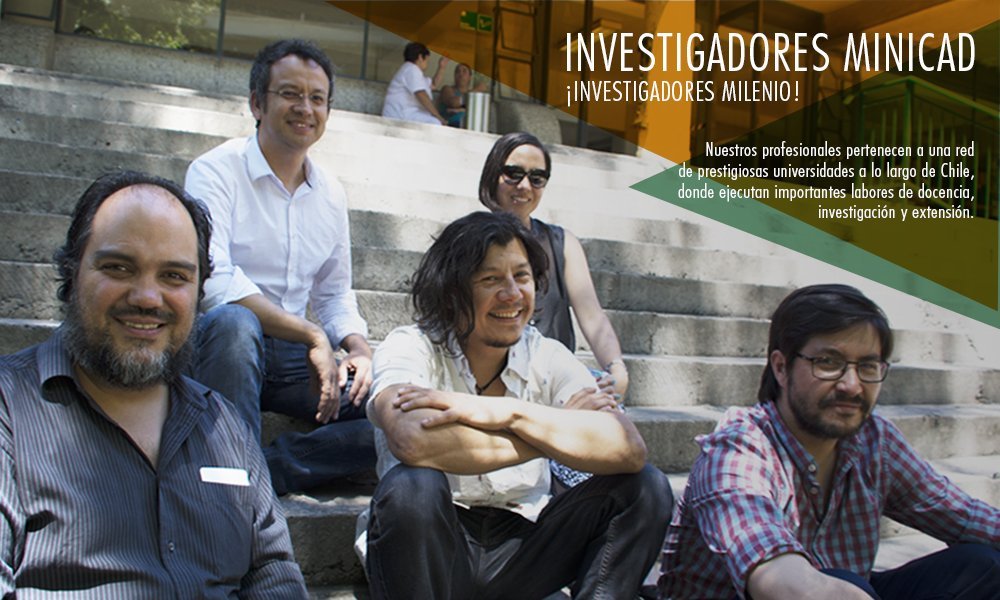
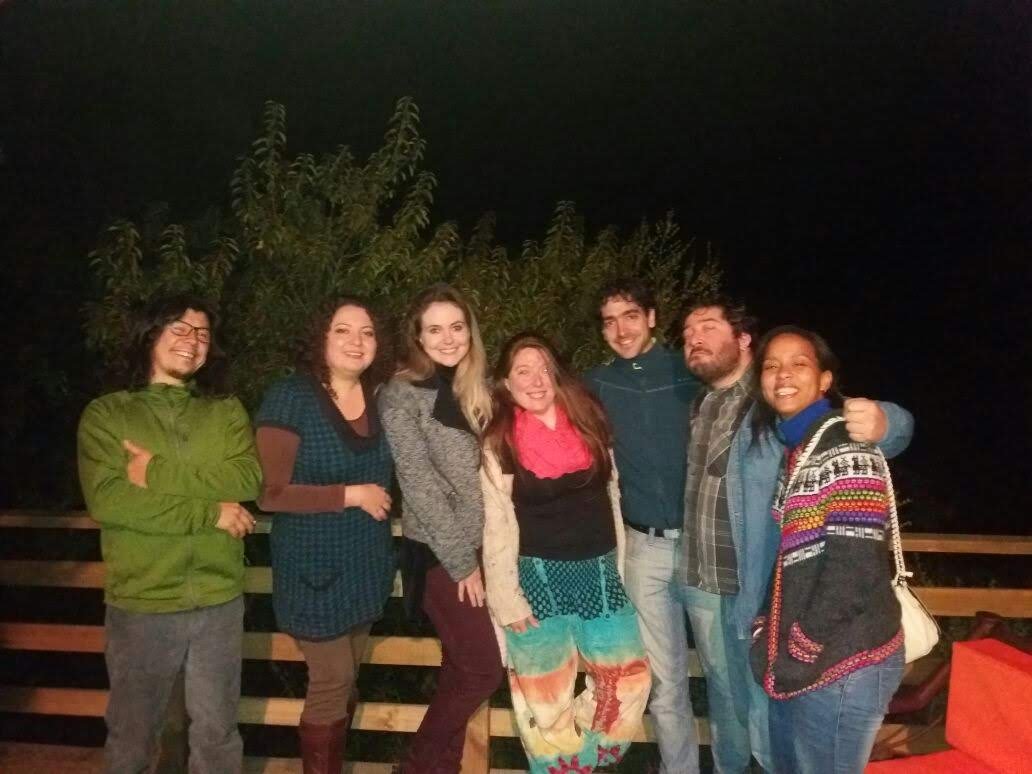
Carousel rotates automatically · click a thumbnail to jump · drag to spin
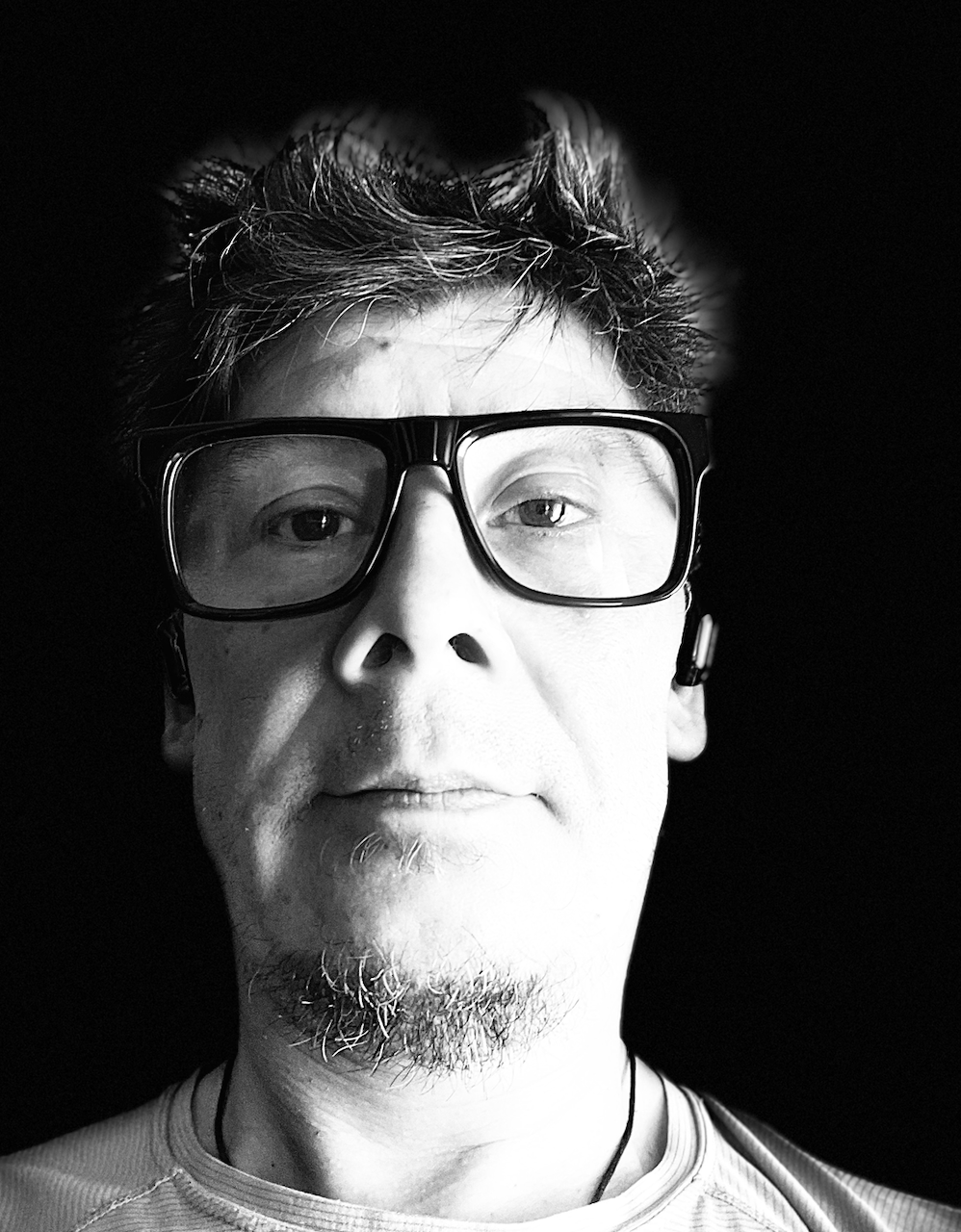
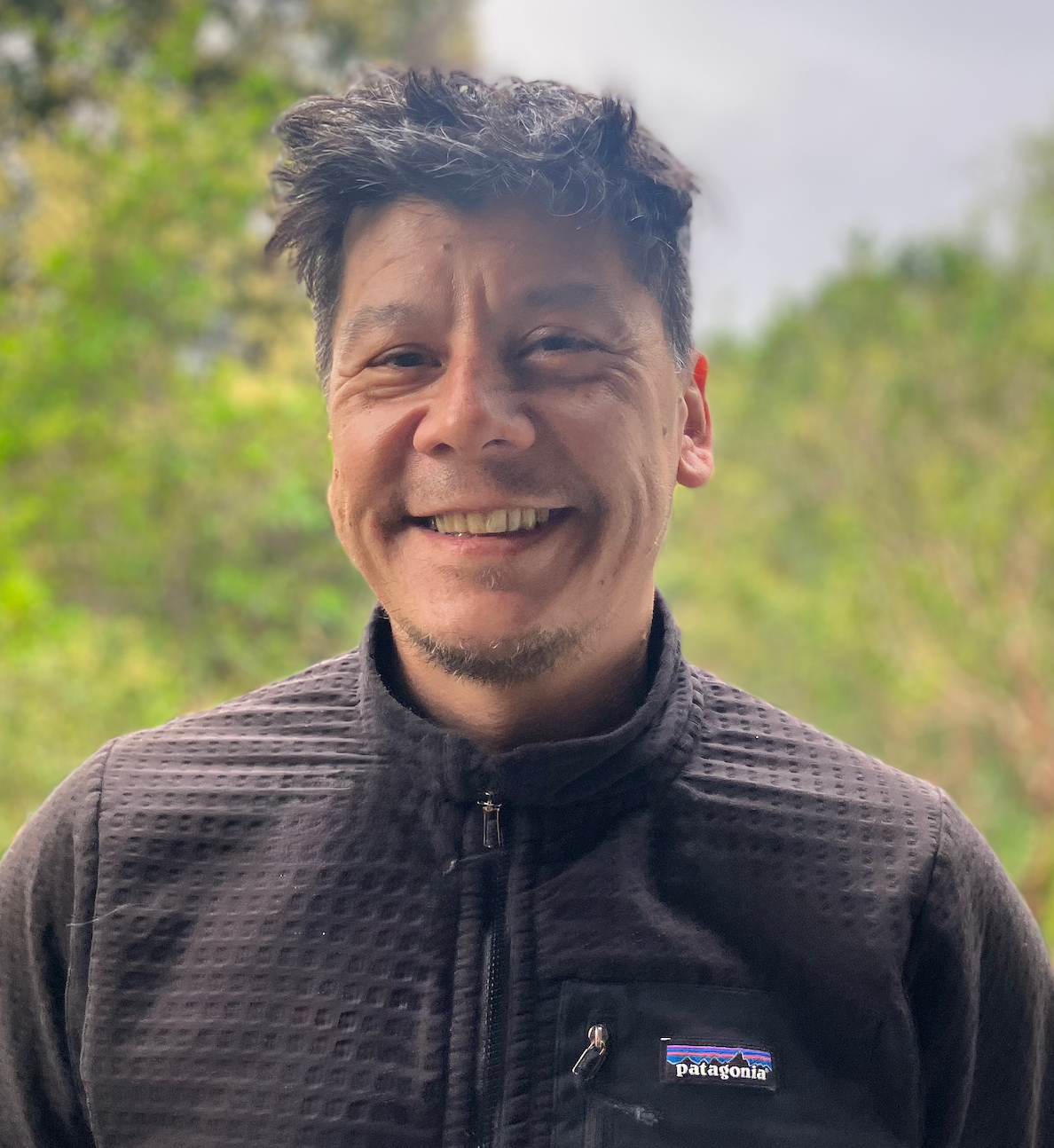
Principal Investigator · Head of Department · Instituto de Fisiología · Universidad Austral de Chile
Dr. Brauchi received his degree in Biochemistry in 2001 from Pontificia Universidad Católica de Valparaíso, Chile, where he worked on olfactory physiology with Dr. Juan G. Reyes.
In 2006, he received his Ph.D. in Molecular and Cellular Biology from Universidad Austral de Chile, Valdivia, studying the biophysics of thermoTRP channels under the supervision of Dr. Ramón Latorre.
Dr. Brauchi was awarded a PEW Fellowship and conducted his postdoctoral training with Dr. David E. Clapham at Harvard Medical School, where he worked on TRPM7's role in cholinergic vesicle fusion, TRMP8's voltage dependence, and TRPM1's role in pigmentation.
Sebastian joined the Instituto de Fisiología at Universidad Austral de Chile as an Investigator in 2008. Since 2024 serves as Head of Department.
Interested in collaborations, student positions, or have questions about our research? We'd love to hear from you.